-PNG.png)
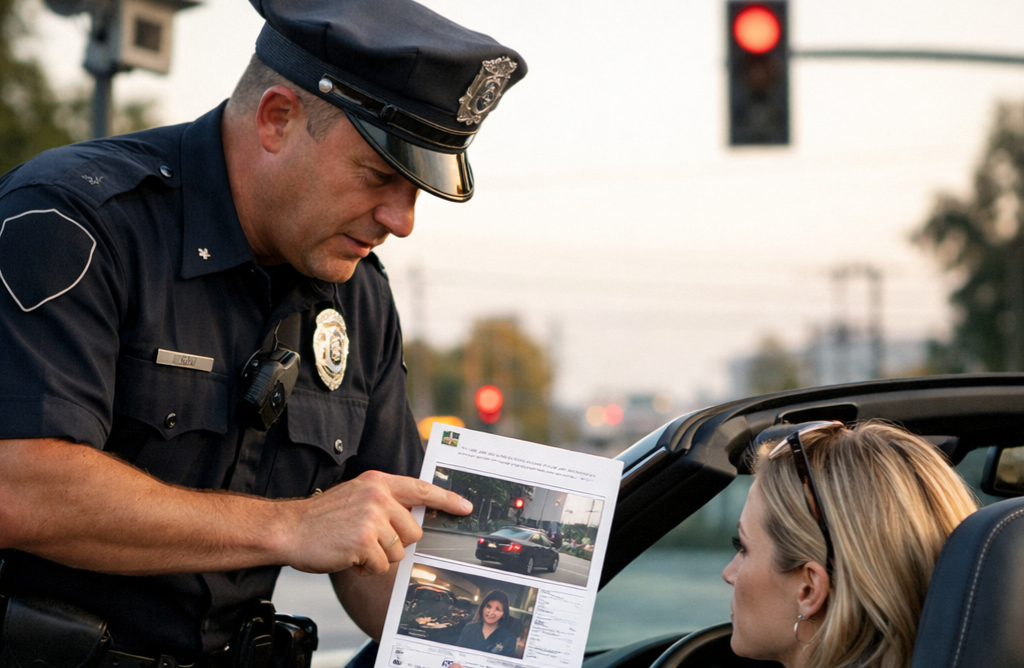
Traffic citations aren’t mere slips of paper tucked under a windshield wiper—they’re one of law enforcement’s most effective, research-backed tools for reducing crashes and saving lives. Data from busy city streets to rural byways all point the same way: when police launch targeted enforcement campaigns, both fatal and nonfatal collisions plunge.
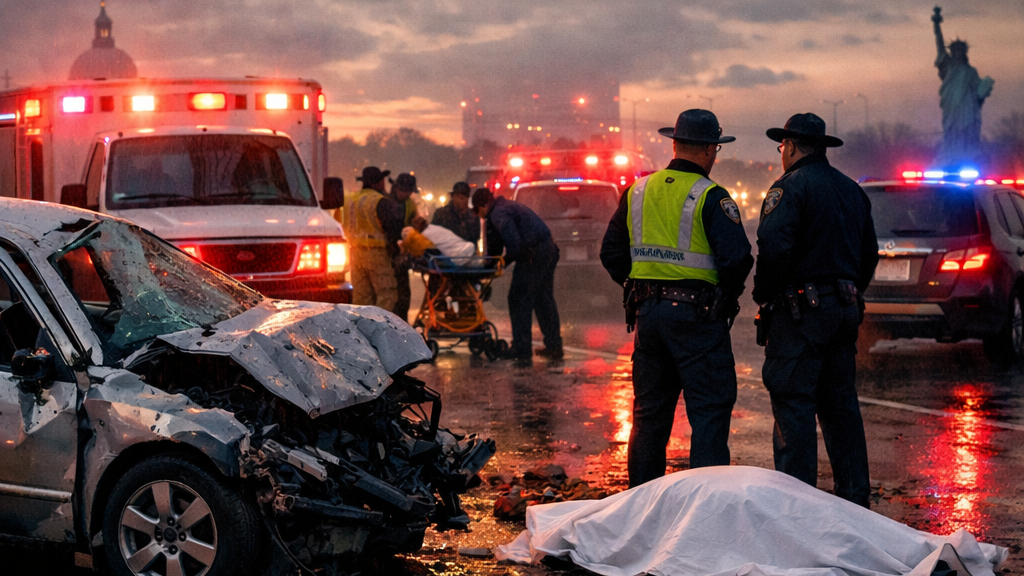
Speeding remains the deadliest habit on our roads, accounting for nearly 29 percent of all traffic fatalities in 2023—that’s 11,775 lives lost, mostly young men treating highways like racetracks. But it’s not just speed. Every red-light runner, every distracted texter, every tailgater who thinks “just this once” is safe increases the odds of tragedy. Issuing a ticket doesn’t merely punish; it jolts drivers back to reality, reminding them that gravel, asphalt, and steel don’t negotiate.
Key Findings on Tickets and Crashes - Risk Reduction: Cities that blitz for speeding or cellphone use routinely see accident rates drop by double digits within months. One statewide campaign produced a 23 percent plunge in injury collisions in just six weeks. - Recidivism: Drivers with prior moving violations are far more likely to reoffend—and to end up in crashes. Repeat citations flag persistent dangerous habits. - Time-of-Day and Gender Differences: Surprise nighttime patrols often yield larger safety gains, and studies show female drivers reduce their risk even more sharply than males after receiving a ticket. - Warnings vs. Tickets: Officers reserve citations for the highest-risk offenders. Those who’ve only earned warnings are less likely to be at fault in later crashes than drivers with past tickets. - The Toll of Speeding: Those 11,775 speed-related deaths in 2023 are equivalent to wiping out a small town in a single year—the human price of pressing down on the pedal.
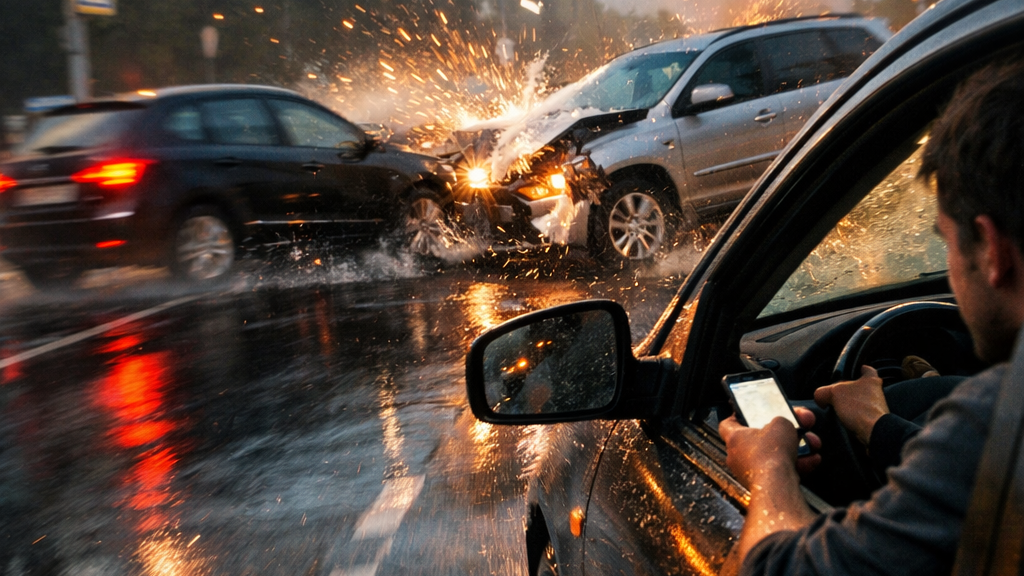
Common Crash Catalysts • Speeding: A five-second brake can become a deadly impact at high speed. Young thrill-seekers bear the brunt of these mistakes. • Red-Light Running: More than 1,000 annual fatalities. Red-light cameras have cut intersection deaths by about 21 percent, proving automated enforcement halts chaos. • Distracted Driving: Every glance at a phone is a life-risking gamble. Thousands of preventable injuries and deaths each year show that distraction is as lethal as excessive speed.
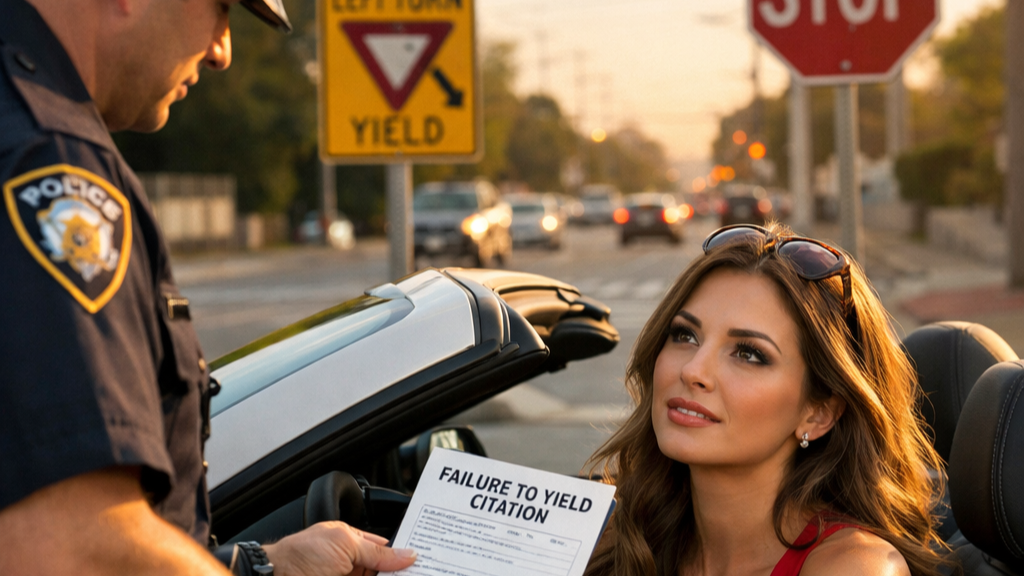
How Tickets Shape Legal Battles Paying a ticket doesn’t erase it—it becomes evidence of negligence in civil suits. Insurance adjusters pore over driving records, and a history peppered with citations screams “high-risk driver,” triggering higher premiums or claim denials. In most crash lawsuits, one driver’s traffic violation is Exhibit A in proving causation, making that humble ticket a cornerstone of courtroom strategy.
Beyond the Badge: Smarter Safety Solutions No expert denies that firm policing works—but the future lies in blending enforcement with wiser road design. Roundabouts, median barriers, narrower lanes, and high-visibility crosswalks often prevent crashes more reliably than handcuffs or courtrooms. Automated cameras for red lights and speed let “eyes in the sky” back up overworked patrols.
If you want a no-BS playbook for keeping your record clean—while still holding officers accountable—turn to Ticket Fixer. Their YouTube channel delivers insider tactics, step-by-step guides, and direct connections to traffic-ticket experts nationwide. Winning in traffic court isn’t luck—it’s strategy.